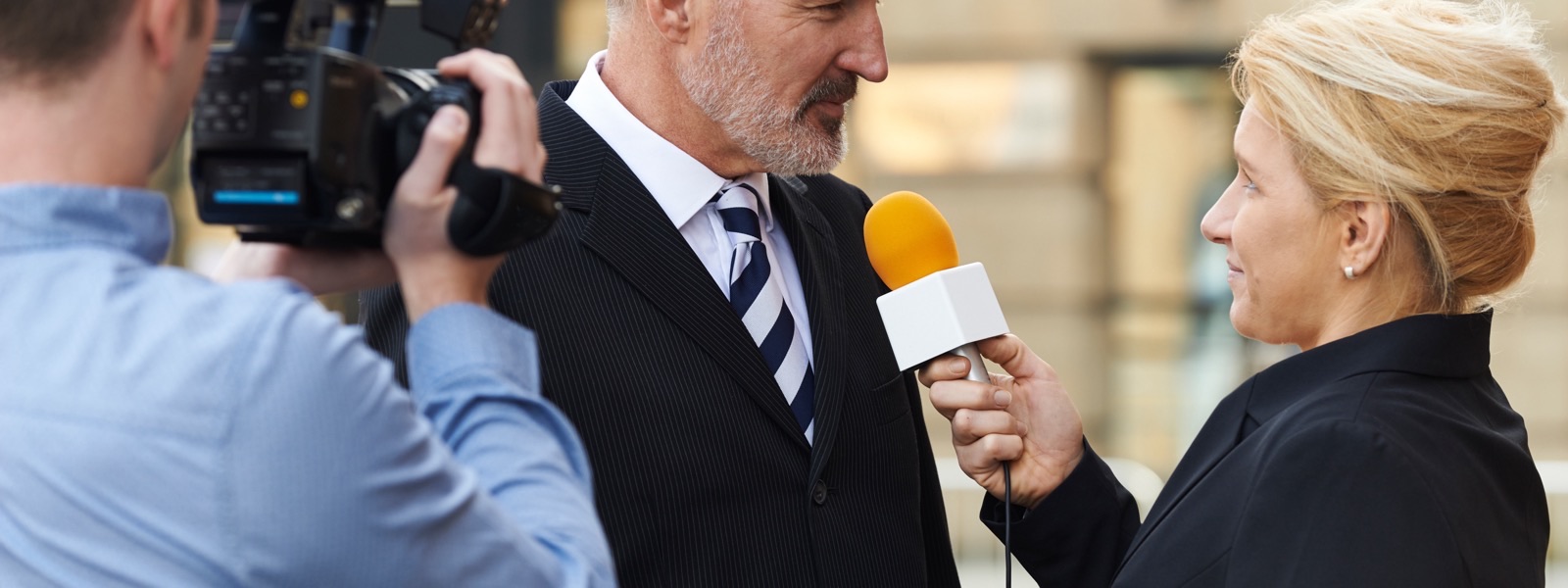
A crisis media interview is high-stakes — but the skills that make it manageable are learnable, structured and surprisingly formulaic. This course builds the preparation method, message discipline and composure that turn a pressured encounter into a controlled one. You will practise through progressive, realistic simulations with expert coaching from senior former broadcast journalists. The approach is supportive throughout.
Crisis message development and structured preparation, progressive interview simulations with video coaching, interview dynamics and agenda control, and techniques for handling difficult questions.
Every session runs in a small, boardroom-format group of up to eight participants. Your trainer is a senior former broadcast journalist who combines deep editorial experience with specialist expertise in crisis communication and reputation management. You will take part in realistic on-camera crisis interview simulations, each followed by immediate video playback and positive individual coaching. The exercises build progressively, with your confidence and technique developing at each stage. All coaching is encouraging and constructive.
- Perform with composure and authority in crisis media interviews
- Prepare crisis-appropriate positioning and messages using a structured method
- Handle difficult and aggressive questions without losing control of the agenda
- Predict and navigate crisis media dynamics based on how journalists operate
- Anticipate the most challenging topics and prepare credible, effective responses
- Stay calm and credible under persistent and hostile questioning
- Deliver clear, consistent messages across broadcast, print and digital media formats
- Apply a repeatable preparation system to any future crisis media encounter
- Developing and using messages in interviews
- Using soft and hard proof points to make messages credible and memorable
- Understanding news values and how these will affect the interview
- Body language and physical appearance
- Structured preparation using a step-by-step model
- Evaluating the journalist, media and news environment
- Preparing messages and proof points
- Anticipating and preparing answers for likely questions
- Simulated interview with a training journalist
- Video replay with individual performance coaching
- Interviewer tactics to watch out for
- Power dynamics
- Managing aggressive or pushy questioning
- Guiding the agenda: proactive messaging
- Simulation focused on a positive news announcement, practising proactive messaging while implementing performance feedback
- Seven categories of question that do not need to be answered
- The classic “blocking and bridging” approach and its shortcomings
- The flexible “dig for gold” strategy
- The universal “zoom in, zoom out” technique
This course is for executives, spokespeople and senior communicators who may face journalists during a crisis or other reputationally sensitive situation — whether in broadcast interviews, press briefings or one-to-one media encounters. Equally valuable for experienced media performers and for those preparing for high-pressure interviews for the first time.
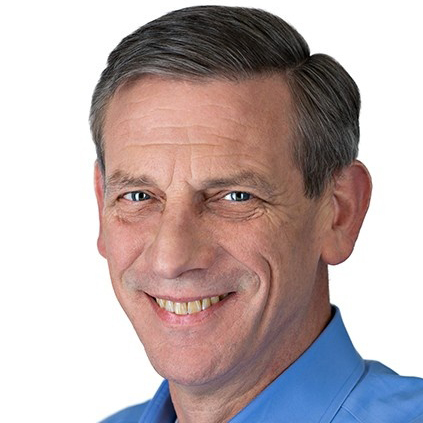
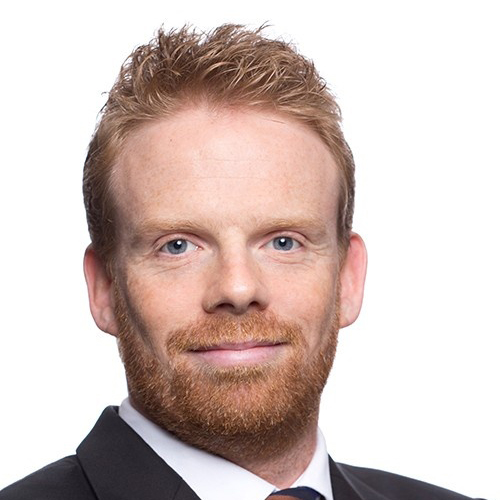
The following are some of the ISOC trainers who regularly lead this course, depending whether you join us in London, Dubai or live online.



No. The exercises build progressively and the pace is always matched to your level. All coaching is positive, encouraging and focused on building your confidence under pressure.
Crisis Media Training focuses specifically on performing under intense media pressure during a reputational crisis. General Media Training covers all types of media encounter.
Yes. We deliver this course for teams of any size, tailored to your organisation's sector and crisis scenarios. Contact us to discuss.
Nothing specific. If your organisation has current crisis scenarios or issues, bringing context will make the exercises more relevant.