
Good decisions are not just a matter of intelligence or experience — they depend on recognising the cognitive biases that distort judgment, applying the right frameworks to the problem at hand and managing group dynamics that pull teams toward consensus over rigour. This two-day course builds a practical toolkit for better individual and collective decision-making, grounded in neuroscience and behavioural evidence.
Foundations of effective decision-making, cognitive bias and whole-brain thinking, structured problem-solving models, strategies for faster and more reliable decisions.
Every session runs in a small, boardroom-format group — typically six to eight senior professionals. Your trainer tailors content to the specific industries, organisations and challenges each participant brings, so you work on real situations, not generic examples. The learning combines evidence-based best practice briefings with structured discussions, practical workshops and peer learning. This is training with a coaching and consulting flavour — focused on building skills and producing outputs you can apply in your work immediately.
- Apply structured analytical frameworks to complex individual decisions
- Recognise and counter cognitive biases that distort judgment
- Assess options and manage risk using systematic decision models
- Present decisions and recommendations clearly and systematically
- Facilitate team decision-making with discipline and rigour
- Distinguish between decision types and apply the appropriate approach to each
- Apply creative and lateral thinking techniques to novel problems
- Build faster, more reliable decision habits under pressure
- How personality, values and organisational context shape judgment
- Decision types: routine, complex, high-stakes and ambiguous
- The role of timing, urgency and information quality in decision outcomes
- Common decision failures and their root causes
- How the brain shortcuts decisions: availability, anchoring, confirmation and sunk-cost biases
- Whole-brain thinking: integrating analytical rigour with creative approaches
- Structured frameworks for breaking down complex and multi-variable problems
- Stress-testing assumptions and challenging groupthink
- Why groups make different — and sometimes worse — decisions than individuals
- Facilitating structured team decision processes with discipline
- Managing politics, hierarchy and competing interests in group settings
- Building a culture of constructive challenge and diverse input
- Decision models for speed and reliability under operational pressure
- Risk assessment and the "practical pessimist" approach to reducing errors
- Presenting and justifying decisions to stakeholders clearly and systematically
- Building sustainable decision habits: review, learn, adjust
Managers and senior professionals who make consequential decisions under pressure — allocating resources, managing risks or leading teams through ambiguity. Also valuable for anyone who wants a more systematic approach to decisions they currently make by instinct.


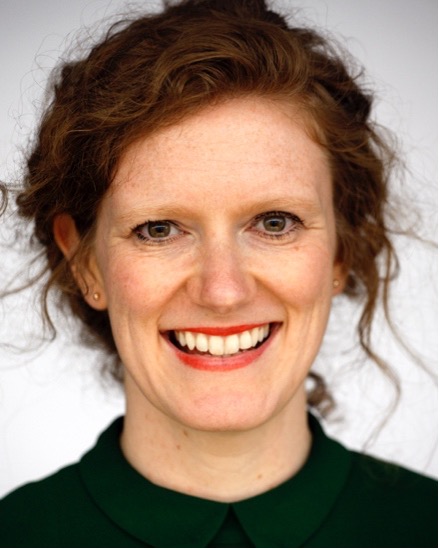
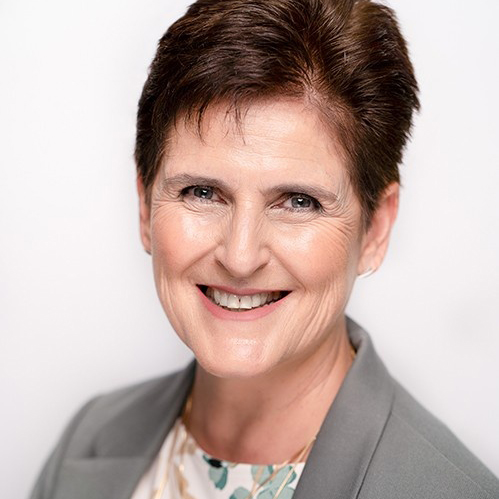
The following are some of the ISOC trainers who regularly lead this course, depending whether you join us in London, Dubai or live online.



The two days build progressively, with each module combining briefing, discussion and practical exercises. The small-group format ensures every participant gets individual attention.
Nothing specific is required. If you have a current project or challenge relevant to the course topic, bring it along — the practical exercises can incorporate real-world contexts.
Yes. The course covers both individual decision-making — managing your own biases and analytical process — and group or team decision dynamics. Both dimensions are relevant regardless of seniority.
Not primarily. The focus is on the cognitive and behavioural dimensions: how people actually make decisions, where they go wrong and how to build better habits. Quantitative tools are referenced but are not taught as primary content.