
Most meetings fail not because the issues are too complex but because no one has designed them properly. A meeting with clear purpose, a decision-oriented agenda and a skilled chair produces measurably different outcomes from one that exists to update and discuss. This two-day course teaches you how to design, chair and facilitate meetings that drive decisions, resolve issues and sustain accountability after the room empties.
Meeting design and decision-oriented agenda planning, chairing with authority and facilitation technique, managing dynamics and difficult behaviour, decision capture and post-meeting accountability.
Every session runs in a small, boardroom-format group — typically six to eight senior professionals. Your trainer tailors content to the specific industries, organisations and challenges each participant brings, so you work on real situations, not generic examples. The learning combines evidence-based best practice briefings with structured discussions, practical workshops and peer learning. This is training with a coaching and consulting flavour — focused on building skills and producing outputs you can apply in your work immediately.
- Design meeting agendas that define decisions required and focus discussion
- Chair sessions with calm authority and structured facilitation process
- Apply practical facilitation techniques to keep discussion productive and on track
- Manage dominant voices, silence and difficult behaviour without losing control
- Navigate conflict within meetings without derailing the agenda
- Capture decisions and actions with precision and shared accountability
- Produce concise post-meeting notes that align stakeholders and sustain momentum
- Build a meeting culture where time is respected and outcomes are expected
- Define purpose, decisions and success criteria
- Build a decision-oriented agenda (owners, timings, inputs)
- Map participants and interests; plan roles and speaking order
- Set pre-reads and expectations for an efficient start
- Professional openings, housekeeping and ground rules
- Framing issues, managing scope and time-boxing
- Encouraging balanced participation; probing and summarising
- Keeping energy high; using the "parking lot" without losing focus
- Read the room; de-escalation language and tone control
- Intervening with dominance, tangents and repetition
- Inclusive techniques for quieter voices and dissent
- Maintaining fairness and credibility under challenge
- Summarising decisions and rationales clearly
- Action owners, deadlines and risk flags
- Writing concise minutes/decision notes people actually read
- Post-meeting cadence and stakeholder updates
Managers, project leaders, chiefs of staff and senior administrators who run consequential meetings — where decisions are needed, resources are allocated or sensitive issues must be resolved. Also relevant for communications professionals and team leads who chair regular or high-stakes sessions.

The following are some of the ISOC trainers who regularly lead this course, depending whether you join us in London, Dubai or live online.


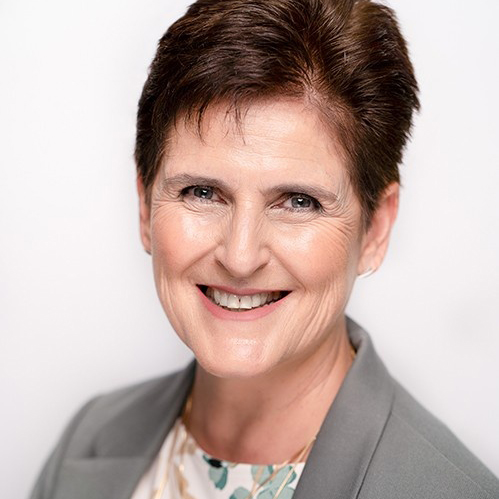


The two days build progressively, with each module combining briefing, discussion and practical exercises. The small-group format ensures every participant gets individual attention.
Nothing specific is required. If you have a current project or challenge relevant to the course topic, bring it along — the practical exercises can incorporate real-world contexts.
Yes. Many participants find the course most immediately valuable for the routine meetings they already run. The frameworks apply at every scale, and gains are often visible from the next meeting.
The core content focuses on in-person facilitation, which provides the foundational skills. Virtual and hybrid facilitation is covered as a specific module, with techniques for managing distributed groups and maintaining accountability remotely.