
Most communication problems at work are confidence problems. People hold back, hedge, agree when they disagree, and avoid difficult conversations — not from ignorance but from ingrained habits of thought and communication. This two-day course builds the skills to change them: assertive communication, clear professional limits and the composure to handle difficult people without losing control.
Self-confidence and assertive communication, reading and projecting body language, setting limits under pressure, handling difficult behaviour and dealing with pushback.
Every session runs in a small, boardroom-format group — typically six to eight senior professionals. Your trainer tailors content to the specific industries, organisations and challenges each participant brings, so you work on real situations, not generic examples. The learning combines evidence-based best practice briefings with structured discussions, practical workshops and peer learning. This is training with a coaching and consulting flavour — focused on building skills and producing outputs you can apply in your work immediately.
- Speak up assertively in meetings and under pressure
- Set clear professional limits while maintaining working relationships
- Handle difficult people and aggressive behaviour with composure
- Replace negative self-talk patterns with constructive alternatives
- Project confidence through voice, posture and physical presence
- Anticipate and manage your own emotional responses before they escalate
- Decline requests clearly and professionally without damaging relationships
- Pursue professional goals with greater self-assurance and commitment
- The four communication styles: assertive, aggressive, passive and passive-aggressive
- Recognising your default patterns and the situations that trigger them
- The relationship between self-confidence and assertive behaviour
- How habits of thought drive habits of communication
- Identifying negative self-talk patterns and confidence traps
- Cognitive reframing techniques for high-pressure situations
- Building a personal confidence baseline through structured practice
- Moving from self-awareness to self-regulation under pressure
- Voice, posture and physical presence as confidence signals
- Clear requests, direct statements and professional refusal using "I" language
- Active listening as a tool for maintaining control in conversation
- Setting and holding professional limits when challenged
- Reading and responding to aggressive, passive-aggressive and manipulative behaviour
- De-escalation without conceding your position
- Assertiveness in meetings, upward conversations and client-facing settings
- Building sustainable confidence habits beyond the course
Professionals who recognise a pattern of holding back — not speaking up in meetings, agreeing when they disagree, or struggling to set limits with colleagues or clients. Particularly valuable for anyone managing upwards, leading a team or working in high-pressure environments where confidence matters.

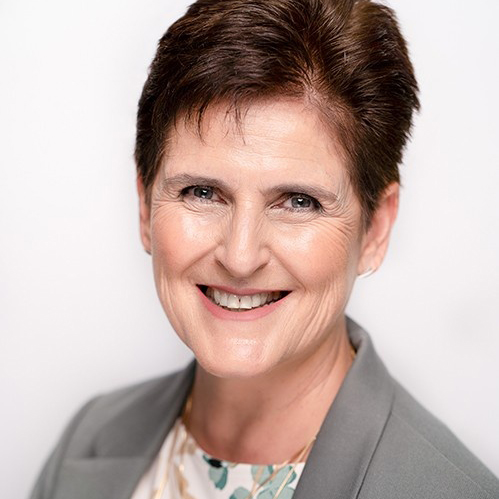
The following are some of the ISOC trainers who regularly lead this course, depending whether you join us in London, Dubai or live online.




The two days build progressively, with each module combining briefing, discussion and practical exercises. The small-group format ensures every participant gets individual attention.
Nothing specific is required. If you have a current project or challenge relevant to the course topic, bring it along — the practical exercises can incorporate real-world contexts.
Yes. Assertiveness patterns are relevant at every level, and many senior participants say they wish they had addressed these habits earlier. The course is calibrated for professional settings, not personal development.
The focus is specifically on assertiveness and confidence — the pattern of holding back, agreeing too readily or struggling to set limits. General communication courses cover a broader range; this one works in depth on a specific cluster of habits.